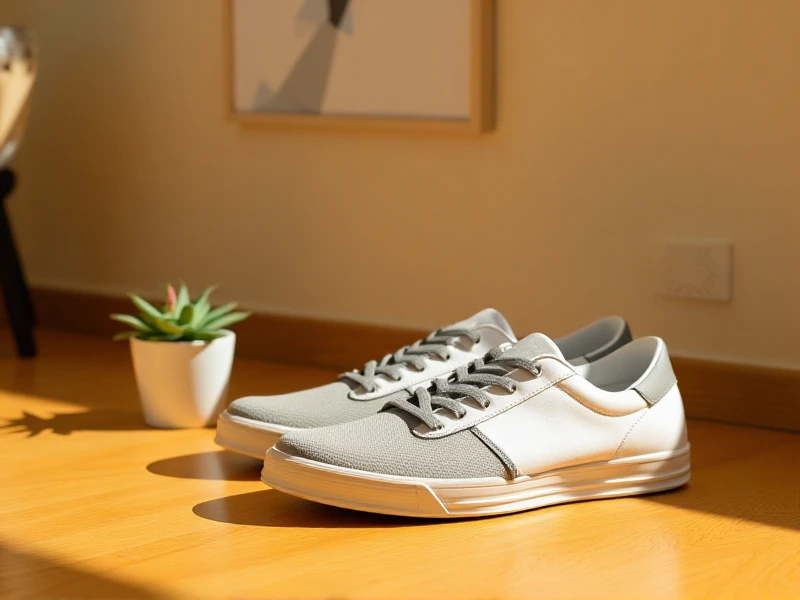
The Ultimate Guide to Finding Your Perfect Pair of Athletic Shoes
Here is the SEO-optimized article about Athletic Shoes:
Finding the right athletic shoes is crucial for comfort, performance, and injury prevention, whether you're a dedicated marathoner, a weekend basketball player, or simply enjoy walking for fitness. With the vast array of Athletic Shoes available, understanding your specific needs is the key to unlocking your best performance.
The primary function of Athletic Shoes is to support your feet during intense physical activity. Unlike casual footwear, athletic shoes are engineered with specific features for different sports. Key factors to consider include:
-
Activity Type:
- Running Shoes: Prioritize cushioning to absorb impact on roads or trails, along with flexibility through the forefoot. Stability or motion control features are vital for runners who overpronate.
- Basketball Shoes: Focus on high ankle support for jumps and quick lateral movements, plus excellent traction for court surfaces.
- Cross-Training Shoes: Designed for versatility, offering support during weightlifting, agility drills, and aerobics classes. Look for a stable base and multi-directional traction.
- Tennis/Squash Shoes: Emphasize stability for side-to-side movements and durable, non-marking soles optimized for court surfaces.
- Walking Shoes: Offer good heel cushioning and a comfortable, stable ride for daily mileage. Flexibility through the ball of the foot is essential.
- Hiking Shoes/Boots: Provide rugged soles for off-road traction, often waterproof materials, and ankle support for uneven terrain.
-
Fit & Comfort: This is paramount. Athletic Shoes should feel snug (not tight) through the midfoot and heel to prevent slippage, with enough room in the toe box (about a thumb's width) to prevent bruising or blisters. Always try on shoes with the type of socks you'll wear while exercising, preferably later in the day when feet are slightly swollen.
-
Foot Type & Gait: Understanding your arch type (high, medium/normal, low/flat) and pronation pattern (how your foot rolls inward upon landing) is critical. Many specialty running stores offer gait analysis. Choose shoes that provide the right amount of arch support and stability for your natural movement pattern. Stability shoes help correct moderate overpronation, while motion control shoes address severe overpronation. Neutral cushioning shoes suit runners with neutral gaits or supination.
-
Cushioning & Support: Different activities and preferences demand different cushioning levels. Some runners prefer plush softness (maximalist), others like ground feel (minimalist), and many prefer a balanced mid-level cushion. Adequate support aligns your foot correctly throughout your stride.
-
Breathability & Materials: Athletic Shoes use mesh uppers for ventilation, keeping feet cool and dry during exertion. Synthetic leathers and overlays add structure and durability in key support areas.
-
Durability & Traction: Outsoles made from durable rubber like carbon rubber (often in the heel) and blown rubber (lighter, in the forefoot) offer longevity. The tread pattern is crucial for adequate grip on your specific surface. Replace Athletic Shoes regularly, typically every 300-500 miles of running or when cushioning feels compressed.
Investing time in finding the perfect Athletic Shoes pays off in leaps and bounds. They are essential equipment, not just an accessory. Identify your sport, understand your feet, prioritize fit, and you'll be well on your way to enhanced comfort, reduced injury risk, and peak performance. We help you win – step by step.